Views: 145 Author: Site Editor Publish Time: 2026-01-21 Origin: Site
Acrylic paint markers are a versatile and vibrant tool used for creating art on various surfaces, such as wood, glass, plastic, and fabric. However, whether you're an artist or just someone who enjoys crafting, it's common to make mistakes or decide to change your design. The good news is that acrylic paint markers can be removed effectively with the right techniques. In this guide, we'll walk you through the steps of removing acrylic paint marker from different surfaces, share practical tips, and highlight some of the best methods to help you tackle any unwanted marks.
Acrylic paint markers are widely appreciated for their vivid colors, durability, and smooth application. They use water-based acrylic paint, which adheres strongly to most surfaces. While the paint is generally resistant to water and fading, it can still be removed from non-porous surfaces with some effort. Acrylic paint markers are designed for permanent use, but depending on the material and how long the paint has dried, they can be removed with various methods.
Common Surfaces Acrylic Paint Markers Are Used On
Canvas and Paper: Ideal for creating bold designs and intricate art pieces.
Glass: Perfect for window art, glass jars, or decorative glass items.
Wood: Used for crafting and decorating wooden surfaces.
Plastic: Common for labeling, customization, and craft projects.
Fabric: Often used for clothing and textile art projects.
Acrylic paint markers are versatile tools used for creating vibrant, lasting designs on various surfaces such as glass, wood, plastic, and fabric. However, if a mistake is made or you decide to remove the artwork, knowing how to properly clean acrylic paint markers from different materials is essential. The process can vary based on the type of surface—whether non-porous like glass and plastic or porous like wood and fabric.
In this guide, we'll walk you through the most effective methods for removing acrylic paint markers from different surfaces, ensuring you can restore your materials to their original condition.
Non-porous surfaces like glass, plastic, and metal are generally easier to clean when dealing with acrylic paint markers. Since these materials don't absorb the paint, it's primarily about breaking down and wiping off the paint. Here are some reliable methods:
Rubbing Alcohol: Isopropyl alcohol is one of the most effective solutions for removing acrylic paint from non-porous surfaces. Apply a small amount of rubbing alcohol to a soft cloth or cotton ball and gently rub the painted area. Alcohol works by breaking down the paint, allowing you to wipe it away easily. Be sure to test it on a small, inconspicuous area first to avoid any potential damage to the surface.
Nail Polish Remover: Acetone-based nail polish remover is another powerful solvent for acrylic paint. Apply it to a cotton pad and gently rub over the paint until it's removed. This method works particularly well on harder surfaces like metal and glass. However, it’s important to use acetone with caution as it can sometimes cause damage to delicate finishes.
WD-40: If rubbing alcohol or nail polish remover doesn’t do the trick, WD-40 can be a great alternative. It is effective at breaking down the paint on tougher surfaces like plastic and metal. Spray a small amount onto the affected area, let it sit for a minute, then gently wipe away the paint with a cloth.
Magic Eraser: A dampened magic eraser can help scrub away acrylic paint without damaging the surface underneath. It works well on most non-porous surfaces like glass, metal, and plastic, providing a gentle yet effective cleaning solution. However, be cautious on high-gloss surfaces, as it may cause scratches if used too abrasively.
Porous materials like wood, fabric, and canvas can absorb acrylic paint, making removal a bit more challenging. However, with the right techniques, you can effectively clean these surfaces without damaging them.
Warm Soapy Water: One of the simplest methods for removing acrylic paint from fabrics is soaking the item in warm soapy water. For smaller areas, use a soft brush or sponge to gently scrub the paint. On larger wood surfaces, use a damp cloth with mild dish soap and warm water to wipe the area clean. Allow the material to air dry afterward.
Vinegar and Baking Soda Paste: Create a paste by mixing vinegar and baking soda, two common household ingredients that work well together to remove stains. Apply the paste to the painted area, and gently scrub with a soft brush or sponge. This method works particularly well on wood and fabric, as it helps break down the paint while being gentle on the surface.
Acetone or Nail Polish Remover: For tougher acrylic paint marks on fabric, lightly dab a cotton ball soaked in acetone or nail polish remover onto the paint. Allow it to sit for a few minutes, then blot with a clean cloth to lift the paint. Always test this method on a small area of fabric first to ensure it won’t cause damage or discoloration.
Sandpaper (Wood): If acrylic paint has adhered strongly to a wooden surface, using fine-grit sandpaper can help remove the paint. Gently sand the area with circular motions, being careful not to damage the wood beneath. Always test this technique on a small section of the wood to avoid over-sanding or damaging the surface.
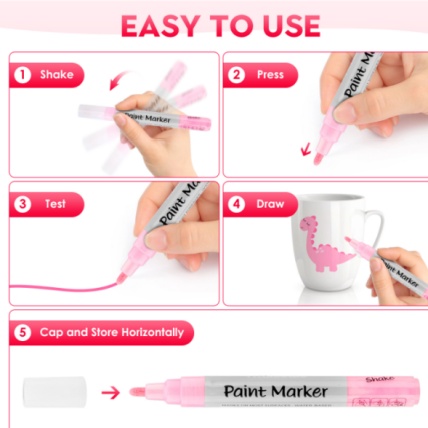
If home remedies don’t work or you’re dealing with a large-scale paint removal task, commercial paint removers can be highly effective. These products are designed specifically for tough-to-remove acrylic paint, ensuring a cleaner and more efficient process.
Acrylic Paint Remover: There are various commercial paint removers specifically formulated for removing acrylic paints. These products are available in liquid or gel form and work well on non-porous surfaces like glass, metal, and plastic. Be sure to follow the manufacturer’s instructions carefully and always test on a small area first to prevent potential damage.
Surface-Specific Cleaners: Many specialty cleaners are designed for specific surfaces such as fabric, furniture, or glass. If you're working with a delicate or unusual surface, consider using a cleaner specifically designed for that material. These cleaners are formulated to target the paint without harming the underlying surface. Always follow the instructions on the product label.
Act Quickly: The sooner you address a mistake, the easier it will be to remove the acrylic paint marker. The longer the paint sets, the more challenging it becomes to remove, especially on porous surfaces. Quick action minimizes the chances of the paint bonding with the surface.
Test First: Before applying any removal method to the entire area, always test it on a small, inconspicuous part of the surface. This ensures that the solvent or method used won't damage or discolor the material. Testing helps prevent unwanted results and allows you to find the most effective technique for your surface.
Gentle Scrubbing: When cleaning acrylic paint markers off surfaces, avoid scrubbing too hard. Excessive force can scratch or damage delicate materials such as fabrics, wood, or glass. Instead, use soft cloths or sponges and gentle motions to avoid further harm to the material.
If you're worried about making mistakes in the future, here are a few prevention tips:
Use a Guide or Stencil: When working on intricate designs, a stencil or guide can help avoid mistakes.
Practice on Scrap Materials: If you're unsure of your design, practice on a piece of scrap paper or plastic before using your acrylic markers on the final piece.
Layer Your Work: Start with light layers of paint and build up to your desired design. This will make corrections easier.
Removing acrylic paint markers from different surfaces can be simple and effective if you use the right methods. Whether you're working with glass, plastic, fabric, or wood, understanding the best techniques for each material is key to ensuring a clean and successful removal process. At Ningbo Cicor Stationery Co., Ltd., we provide high-quality acrylic paint markers that deliver excellent results, whether you're crafting, designing, or working on professional projects.
If you're looking for more tips or have any questions regarding acrylic paint markers or their removal, feel free to reach out to us for more information. Our team is always ready to assist with all your needs.
What are the best methods for removing acrylic paint markers from fabric?
Use warm soapy water for light stains or nail polish remover/acetone for tougher stains. Always test on a small area first.
Can rubbing alcohol remove acrylic paint markers from plastic?
Yes, rubbing alcohol is effective in breaking down the paint on plastic surfaces.
Are there any commercial products to remove acrylic paint markers?
Yes, specialized acrylic paint removers are available that can help efficiently remove paint from various surfaces.
How can I prevent acrylic paint marker mistakes?
Practice your design on scrap materials, use stencils for intricate designs, and start with light layers of paint to minimize mistakes.