Views: 0 Author: Site Editor Publish Time: 2025-05-22 Origin: Site
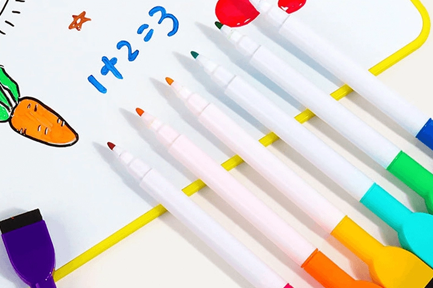
Chalk markers have revolutionized the way we communicate and express creativity on non-porous surfaces. From classrooms to cafes, these markers offer vibrant colors and versatility that traditional chalk simply cannot match. This article delves into the world of chalk markers, exploring their evolution, applications, technology, and best practices.
The journey of writing instruments dates back thousands of years, but the advent of chalk markers is a relatively recent innovation. Traditional chalk has been the staple for blackboards and artistic expressions, but it comes with drawbacks such as dust generation and limited color vibrancy. The development of chalk markers addressed these issues by providing a dust-free and vividly colored alternative.
The rise of liquid chalk technology in the late 20th century marked a significant shift. Manufacturers began experimenting with water-based pigment inks encased in marker bodies, allowing for smoother application and easier removal. The adoption of these markers in educational and commercial settings rapidly increased due to their practicality and aesthetic appeal.
Traditional chalk's limitations prompted the need for an improved medium. The dust produced by chalk not only caused cleanliness issues but also posed health concerns for individuals with respiratory conditions. Chalk markers eliminated these concerns by utilizing a liquid ink system that dries quickly without producing particulate matter.
Moreover, the color range of traditional chalk was limited. Chalk markers expanded the palette, offering fluorescent and metallic hues that enhanced visual communication. This transition was particularly beneficial in settings where attracting attention is crucial, such as in retail displays and advertising.
The versatility of chalk markers has led to their widespread adoption across various industries and environments. Their ability to write on non-porous surfaces like glass, metal, and plastic makes them ideal for a multitude of applications.
In classrooms, chalk markers provide an engaging tool for teachers and students alike. They offer a cleaner alternative to traditional chalk, reducing allergy triggers and maintenance efforts. The vivid colors enhance visual learning, making it easier to highlight key concepts and organize information effectively.
Educators have found that using chalk markers can increase student interaction. Visual aids created with these markers capture attention and can be easily modified during lessons. As educational methodologies evolve, tools like chalk markers support interactive and dynamic teaching approaches.
Restaurants and cafes utilize chalk markers to create attractive menu boards and promotional signage. The ease of updating content allows businesses to adapt quickly to changing specials or events. Similarly, retail stores employ them for window displays and interior signage, enhancing the customer experience through eye-catching visuals.
In the competitive hospitality industry, visual appeal can significantly influence customer decisions. Chalk markers enable establishments to convey their brand personality and messages creatively, setting them apart from competitors.
Artists and hobbyists embrace chalk markers for their versatility and ease of use. They are suitable for creating window art, decorating ceramics, and designing personalized gifts. The markers' ability to produce fine lines and broad strokes makes them a favorite among calligraphers and illustrators.
Beyond professional artistry, chalk markers have become popular in home decor. From labeling jars to creating decorative wall art, they offer endless possibilities for personalization. The temporary nature of the ink allows for experimentation without permanent commitment.
Understanding the mechanisms that make chalk markers function can enhance their effective use. At the core is the ink composition, which typically consists of water, resin, pigment, and other additives that ensure consistency and performance.
The pigments provide the vibrant colors, while the water acts as a solvent. Resins are included to help the ink adhere to surfaces and to prevent smudging once dry. Additives may include agents that control the flow and prevent clogging of the marker tip.
This formulation results in an ink that is opaque and easily erasable from non-porous surfaces but may be permanent on porous materials. Users should always test on a small area to ensure the desired outcome.
Chalk markers are designed with a valve-action mechanism. Before use, the marker must be shaken to mix the ink components, and the tip must be pressed down to initiate ink flow. This system prevents the ink from drying out and ensures a consistent writing experience.
The tips are often made from porous materials that can vary in shape and size, allowing for different line widths and artistic effects. Some markers offer reversible tips, providing users with both chisel and bullet point options.
To maximize the benefits of chalk markers, users should follow certain guidelines. Proper use not only enhances the quality of the output but also extends the lifespan of the markers.
Chalk markers are ideal for non-porous surfaces such as glass, metal, ceramic, and sealed tiles. Using them on porous surfaces can result in permanent markings. For temporary applications, surfaces like chalkboards, whiteboards, and windows are recommended.
It's advisable to clean the surface before application to remove any dust or grease, ensuring optimal adhesion of the ink. After use, the markings can usually be wiped away with a damp cloth; however, stubborn residues might require a mild cleaning solution.
To prevent the marker tip from drying out, always replace the cap securely after use. If the ink flow becomes inconsistent, gently shake the marker and re-prime the tip by pressing it down on scrap paper until the ink saturates the tip evenly.
Storing markers horizontally can help maintain even ink distribution. Extreme temperatures should be avoided, as they can affect the ink's properties and the marker's performance.

As consumers become more environmentally conscious, understanding the ecological footprint of products is essential. Chalk markers, while offering advantages over traditional chalk, also present challenges in terms of sustainability.
Most chalk markers are made from plastic components, which raises concerns about plastic waste. Some manufacturers are exploring the use of recycled materials and creating refillable marker systems to reduce environmental impact.
The inks are generally water-based and non-toxic, which is beneficial from a health and environmental standpoint. However, proper disposal of markers at the end of their life cycle is important to minimize ecological harm.
Consumers can contribute to sustainability by selecting markers from companies committed to environmental stewardship. Supporting brands that offer eco-friendly options encourages the industry to prioritize sustainable innovation.
Additionally, reusing surfaces and minimizing waste through careful use extends the utility of chalk markers, reducing the frequency of replacement and associated environmental costs.
Chalk markers are part of a broader category of marking instruments, each with unique properties suited to different applications. Understanding how they compare to other markers can inform users' choices.
Dry erase markers are commonly used on whiteboards and are known for their easy erasability. However, they often contain solvents that can emit odors and may not offer the opacity and color richness of chalk markers. For more vibrant and opaque displays, chalk markers are preferred.
Permanent markers are designed to write on various surfaces with ink that is not intended to be removed. They are ideal for labeling and situations where permanence is required. In contrast, chalk markers provide the advantage of being removable from non-porous surfaces, offering flexibility for changing displays.
Paint markers use oil or acrylic-based paints and are suitable for permanent artwork on multiple surfaces. While they offer vibrant colors and durability, they are less convenient for temporary applications. Chalk markers bridge the gap by providing a paint-like appearance with the convenience of easy removal.
The market for chalk markers continues to evolve, with innovations enhancing functionality and user experience. Anticipated trends focus on sustainability, technological integration, and expanding creative possibilities.
Manufacturers are investing in eco-friendly materials, such as biodegradable plastics and refillable designs. These developments aim to reduce environmental impact and meet consumer demand for sustainable products.
The integration of digital technology with traditional writing instruments is an emerging trend. Smart chalk markers that can capture and digitize written content are being explored, bridging the gap between analog creativity and digital convenience.
New formulations and tip designs are expanding the artistic capabilities of chalk markers. Innovations include glow-in-the-dark inks, glitter effects, and a wider range of tip sizes to cater to detailed work and broad strokes alike.
Chalk markers have become indispensable tools across various sectors due to their versatility, vibrancy, and ease of use. Their evolution reflects the changing needs of users who seek practical and creative solutions for communication and expression. By understanding their applications, technology, and best practices, individuals and businesses can effectively utilize chalk markers to enhance their work and environments.
For those interested in exploring high-quality options, visiting our selection of chalk markers provides a comprehensive range of products suited to various needs. Embracing the potential of chalk markers opens up new avenues for creativity and innovation in both personal and professional contexts.