
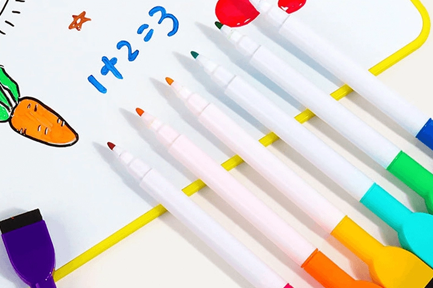


When it comes to creating custom designs on fabric, whether for fashion, home decor, or DIY crafts, fabric markers are indispensable tools. They offer an easy and efficient way to create intricate, permanent designs without the need for special equipment or skills. Whether you're personalizing a t-shirt, crafting a custom bag, or adding artistic touches to a quilt, fabric markers provide a versatile, durable, and creative solution. In this ultimate guide, we will delve deep into the world of permanent fabric markers, covering everything from how they work to the different types available, tips for use, and the latest trends. By the end of this article, you’ll have a comprehensive understanding of fabric markers and be equipped to choose the right one for your project.
What Are Fabric Markers?
Fabric markers are specially formulated pens designed to be used on fabric. Unlike regular markers, which may fade, smudge, or wash away over time, fabric markers contain ink that is engineered to bond with the fibers of the fabric, making the design permanent and resistant to washing. They come in a wide range of colors and tips, allowing you to create everything from fine details to bold, vibrant designs. Whether you're a professional artist or a DIY enthusiast, fabric markers are the go-to tool for adding color and personalization to clothing, accessories, and home textiles.
How Do Fabric Markers Work?
At the core of every fabric marker is its ink, which is designed to adhere to fabric fibers in a way that ensures permanence. There are two main types of inks used in fabric markers: water-based and oil-based. Water-based inks are the most common and are known for being non-toxic and safe for use by children, while oil-based inks tend to provide more vivid colors and longer-lasting designs. Both types of ink are designed to bond with the fabric once the marker is applied, making it resistant to washing and fading.
When you apply a fabric marker to fabric, the ink seeps into the fibers, making it a part of the material. The ink remains flexible, so it won't crack or peel off over time, even after repeated washes. The key to achieving long-lasting results with fabric markers is heat-setting the design, which helps to fix the ink to the fabric and ensure that it becomes permanent.
Types of Fabric Markers
Choosing the right fabric markers for your project is crucial to achieving the best results. There are several types of fabric markers, each designed for different applications, materials, and techniques. Let's take a closer look at the most common types of fabric markers and their key characteristics.
1. Water-Based Fabric Markers
Water-based fabric markers are the most popular choice for most fabric-based projects. These markers contain water-soluble pigments, making them easy to use and clean up. They are non-toxic and safe for children, making them a great option for classroom and craft projects.
Pros:
Non-toxic and safe for children
Quick-drying and easy to clean
Available in a wide range of colors
Suitable for most fabric types, including cotton and polyester
Cons:
Requires heat-setting for permanence
May fade on dark fabrics
Can be less vibrant than oil-based markers
Water-based fabric markers are excellent for lighter fabrics such as cotton, polyester, and canvas, but they may not be the best choice for darker or more textured materials. If you're working with dark fabrics, you may need to apply multiple layers or opt for an oil-based marker.
2. Oil-Based Fabric Markers
Oil-based fabric markers are known for their superior color vibrancy and durability. They are ideal for creating bold, vibrant designs that will stand the test of time. These markers are typically thicker and more opaque than their water-based counterparts, making them suitable for use on both light and dark fabrics.
Pros:
Highly pigmented and vibrant
Works on both light and dark fabrics
Permanent without needing heat-setting
Ideal for detailed designs and bold colors
Cons:
Takes longer to dry than water-based markers
Can be difficult to clean if spilled
May be more toxic, requiring extra care when used by children
Oil-based fabric markers are perfect for projects that require bold, long-lasting designs. They are particularly effective for creating high-contrast designs on dark fabrics, where water-based markers might not show up as vividly.
3. Chalk Fabric Markers
Chalk fabric markers are used for temporary fabric markings, often in quilting and sewing. These markers are not designed for permanent use but can be a useful tool for marking fabric before sewing. They typically use a chalk or powdered pigment that can be easily wiped off with water or a damp cloth.
Pros:
Easy to erase or remove
Great for temporary fabric marking
Ideal for quilting and sewing
Cons:
Not permanent
May not work well on darker fabrics
Chalk fabric markers are an excellent choice for marking fabric for cutting or sewing, as they can be wiped away once the project is complete. They are not suitable for permanent designs but serve a valuable role in fabric prep.
4. Brush Tip Fabric Markers
Brush-tip fabric markers combine the control of markers with the flexibility of brushes. These markers are ideal for artists who want to create designs that have a brushstroke effect or for those who need to cover larger areas of fabric. The soft brush tip allows for fluid strokes and smooth blending, which is especially useful when working on large-scale designs.
Pros:
Mimics the effect of a paintbrush
Great for blending and creating gradient effects
Ideal for larger designs or freehand art
Cons:
Requires practice for precision
May not offer the fine detail of a fine-tip marker
Brush-tip fabric markers are perfect for creating artistic, free-flowing designs or blending different colors. They are commonly used for watercolor-style artwork on fabric and can add depth and texture to your designs.
How to Choose the Right Fabric Marker
Selecting the best fabric marker for your project depends on several factors. Here are some key considerations to help you make an informed decision:
1. Fabric Type
Different fabrics require different types of fabric markers. For example, if you’re working with delicate fabrics like silk or satin, you may want to use water-based fabric markers as they tend to be gentler on the material. For thicker fabrics like denim or canvas, oil-based markers will give you more vibrant and durable results.
2. Design Type
If you’re working on a large design or want to create an effect similar to painting, brush-tip fabric markers might be your best option. If you’re focused on intricate, detailed designs, fine-tip markers will give you the precision you need. Consider your project’s design complexity when choosing your markers.
3. Durability
For projects that require permanent designs, it’s essential to choose fabric markers that are designed to be long-lasting. Oil-based markers tend to be more durable and permanent than water-based ones. However, with proper heat-setting, even water-based markers can offer lasting results.
4. Color Variety
Some fabric markers offer a broader range of colors than others. If you're working on a colorful project and need access to a wide array of hues, look for brands that offer a diverse color palette. Additionally, some fabric markers are available in metallic, neon, or pastel finishes, allowing you to create unique designs.
How to Use Fabric Markers for Best Results
Using fabric markers is straightforward, but following a few essential tips can help you achieve the best possible outcome:
Test Before You Start: Always test your fabric markers on a scrap piece of fabric before starting your project. This will give you an idea of how the colors will look on the fabric and whether the markers work as expected.
Pre-Wash Your Fabric: Wash your fabric before applying the markers to remove any dirt, oils, or sizing that could interfere with the ink’s adhesion. Dry the fabric thoroughly before starting your design.
Use Heat to Set the Design: Once your design is complete and the ink is dry, heat-set the design with an iron to make it permanent. Be sure to follow the manufacturer’s instructions on temperature settings and time to avoid damaging the fabric.
Layer Your Colors: When applying fabric markers, it’s better to apply several thin layers of color rather than one thick layer. This ensures that the ink dries properly and doesn’t bleed or smudge.
Work on a Flat Surface: Make sure the fabric is placed on a flat, firm surface when drawing to avoid distortion and ensure clean lines. If necessary, place a piece of cardboard inside the fabric to prevent the ink from bleeding through.
Popular Fabric Markers on the Market
To help you make an informed choice, here’s a comparison of some of the top fabric markers available today:
| Brand | Type of Marker | Pros | Cons |
|---|---|---|---|
| Cicor Stationery | Water-Based | Non-toxic, safe for children, vibrant colors | Requires heat-setting, may fade on dark fabric |
| Sharpie | Oil-Based | Vibrant, durable, multi-surface | Takes longer to dry, may be toxic |
| Crayola | Water-Based | Easy to use, affordable, safe for kids | Requires heat-setting for permanence |
| Posca | Acrylic-Based | Works on dark fabrics, vivid colors | May require multiple layers |
Latest Trends in Fabric Markers
The popularity of custom clothing and home decor is driving the demand for fabric markers, particularly in the DIY and upcycling communities. People are increasingly turning to fabric markers to personalize their clothes, bags, shoes, and accessories, contributing to the trend of sustainability and individuality.
Furthermore, fabric markers are being used in the fashion industry, with designers using them to create unique, one-of-a-kind pieces. The rise of minimalist fashion and the desire for custom, bespoke items have made fabric markers an essential tool for those looking to stand out in a crowd.
Conclusion
Whether you're an artist, a DIY enthusiast, or simply someone looking to add a personal touch to your wardrobe, fabric markers provide a versatile and reliable tool for creating beautiful, permanent designs on fabric. By understanding the different types of fabric markers, how to use them, and how to choose the right marker for your project, you can ensure your designs last and maintain their vibrancy over time. With Cicor Stationery’s high-quality fabric markers, you can bring your creative visions to life, knowing you have a trusted partner in the world of fabric arts.
FAQs
Q1: Can I use fabric markers on all types of fabric?
Yes, fabric markers work on a variety of fabrics, including cotton, polyester, denim, and canvas. Always check the manufacturer’s recommendations for compatibility with specific materials.
Q2: Do I need to heat-set my design?
Yes, for most fabric markers, heat-setting the design with an iron will ensure that it becomes permanent and resistant to washing.
Q3: Are fabric markers washable?
Yes, once properly heat-set, fabric markers are washable and resistant to fading or smudging, even after multiple washes.
