Views: 221 Author: Site Editor Publish Time: 2026-02-25 Origin: Site
We’ve all been there. You grab a pen in a hurry, finish a brilliant brainstorming session, and realize with horror that you used a permanent marker instead of erasable whiteboard markers. The ink won't budge. Your pristine board now looks ruined.
Don't panic. Removing permanent ink is easier than it looks. This guide provides professional, field-tested methods to restore your surface. We’ll cover everything from the "dry-erase miracle" to specialized office whiteboard markers solutions, ensuring your equipment stays in top shape.
The most effective way to remove permanent ink involves using the very tool you should have used in the first place: whiteboard markers. This might sound counterintuitive, but it relies on simple chemistry. Permanent ink stays put because it lacks the non-polar solvent found in erasable ink.
Whiteboard markers contain a special solvent that keeps the ink liquid until it hits the board. When you draw over permanent ink with a bullet tip whiteboard marker, the solvents in the new ink re-liquefy the old, permanent pigment.
Trace the Stain: Take a colorful whiteboard marker (darker colors like black or blue work best) and trace directly over the permanent marks.
Wait Briefly: Let it sit for about 30 seconds. This allows the solvent to penetrate the dried permanent layer.
Wipe Away: Use a clean microfiber cloth or a dedicated eraser. The permanent ink should lift right off along with the erasable ink.
Repeat: For stubborn ghosting, repeat the process.
This method is the safest for your board’s surface because it doesn't involve harsh abrasives that can strip the protective coating.
Sometimes the overwrite method isn't enough, especially if the permanent ink has been "cured" under fluorescent lights for weeks. In these cases, you need a stronger solvent. However, you must choose products that won't destroy the "slickness" of the board, which is essential for using low odor whiteboard markers later.
Isopropyl alcohol (rubbing alcohol) is the gold standard for office maintenance. Most washable whiteboard markers are also alcohol-based, making this a compatible cleaning agent.
| Solvent Type | Effectiveness | Safety Level | Best For |
| 90% Isopropyl Alcohol | High | Safe | General ink removal |
| Hand Sanitizer | Medium | Safe | Quick on-the-go fixes |
| Acetone (Nail Polish Remover) | Very High | Caution | Only for glass boards; can ruin melamine |
| Vinegar & Water | Low | Very Safe | Light ghosting/cleaning |
Since hand sanitizer is essentially a gelled alcohol, it stays in place longer than liquid alcohol. Squirt a small amount on the permanent ink, let it sit for a minute, and wipe it away. It’s a great hack when you don't have professional office cleaning supplies on hand.
Not all whiteboards are created equal. The strategy you use to clean a high-end porcelain board differs from how you treat a cheap melamine board found in a home office. Using the wrong chemical on a porous surface can lead to permanent "ghosting," where even your best whiteboard markers leave faint traces behind.
These are the most common and most fragile. They are made of resin-coated paper. Over time, the coating wears down. If you use harsh chemicals like bleach or pure acetone, you will destroy the surface. Stick to low odor whiteboard markers for cleaning or diluted alcohol.
These are non-porous and incredibly durable. They can handle stronger solvents. If you accidentally used a permanent pen on a glass board, you can even use a glass cleaner or a bit of acetone without fear of damaging the integrity of the surface. This durability is why they are preferred in professional settings alongside premium bullet tip whiteboard markers.
Pro Tip: Always test a small corner of the board before applying any liquid solvent to the center of the display.
Preventing the permanent marker disaster starts with your supply chain. If your office is stocked with high-quality whiteboard markers, the distinction between permanent and temporary tools becomes much clearer.
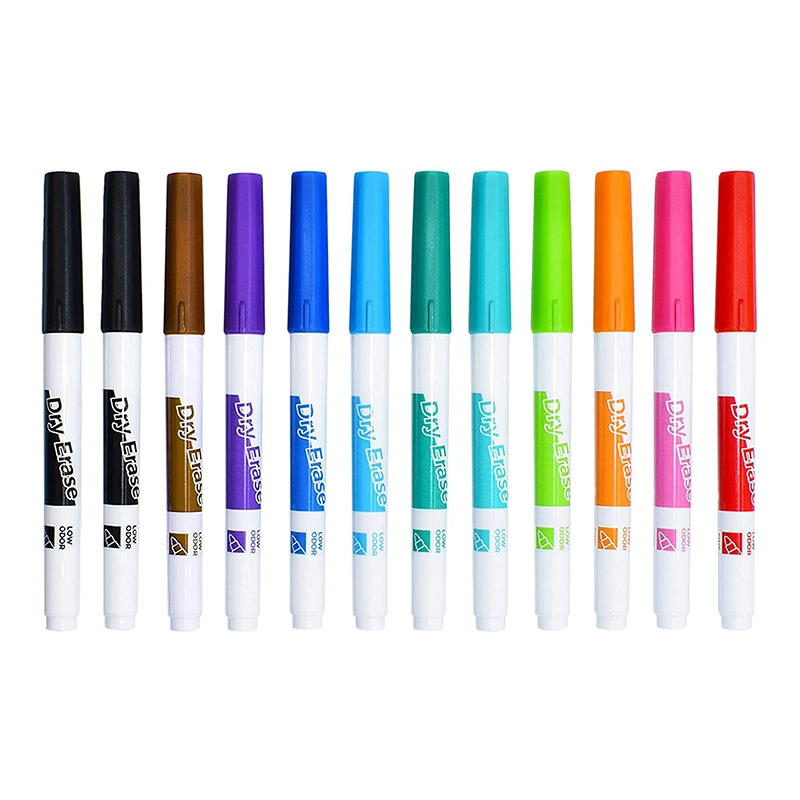
When you source colorful whiteboard markers, look for these specific attributes:
Low Odor: Essential for small meeting rooms or classrooms.
Consistent Flow: A bullet tip ensures the ink doesn't skip, providing a clear "wet" layer that is easy to erase.
Dry-Wipe Capability: The ink should turn into a dry powder upon erasing rather than smearing.
In environments with children, using washable whiteboard markers adds an extra layer of safety. These are designed to come out of clothes and off skin, but they still provide the bold contrast needed for a presentation. Using these reduces the risk of accidental permanent damage to your facilities.
When it comes to professional-grade writing instruments, the source matters. We are a premier manufacturer specializing in B2B solutions for the global market. Our factory, located at the heart of China’s stationery manufacturing hub, prides itself on massive production capacity and rigorous quality control.
We operate a large-scale factory equipped with automated assembly lines that produce millions of whiteboard markers annually. Our B2B clients include major retailers and global distributors who rely on our strength in R&D to deliver cutting-edge ink technology.
OEM/ODM Capabilities: we help brands create their own lines of bullet tip and office markers.
Certified Quality: Our products meet international safety standards (ASTM and EN71), ensuring our washable and low odor formulas are safe for all users.
Bulk Efficiency: We understand the needs of large-scale enterprises, providing consistent quality across massive orders.
By partnering with a manufacturer that understands the chemistry of ink, you ensure that the whiteboard markers in your office are designed to protect your boards, not ruin them.
To keep your boards looking new and ensure your erasable pens always work perfectly, you need a regular maintenance schedule. Ink buildup is the enemy of a clean office.
Daily: Always erase your board at the end of the day. Leaving colorful whiteboard markers on the surface for weeks leads to "ghosting."
Weekly: Wipe the board down with a damp cloth or a dedicated whiteboard cleaning spray.
Monthly: Use a deep-cleaner or 90% isopropyl alcohol to remove the microscopic film of ink dust that accumulates over time.
Don't forget the erasers! A dirty eraser just moves ink dust around. If you use a felt eraser, tap it out outside or vacuum it. If it’s a microfiber cloth, toss it in the wash. Using a clean eraser ensures your bullet tip lines are crisp every time you write.
Understanding the "why" helps you prevent the "how." The difference between a permanent marker and whiteboard markers lies in the polymer.
Permanent Markers: These use a resin that acts like a glue. Once the solvent evaporates, the pigment is locked to the surface.
Erasable Markers: These use a "release agent" (usually a silicone polymer). This acts like a slippery barrier between the ink and the board. When the ink dries, it sits on top of this slippery film, allowing it to be wiped away easily.
Heat: High temperatures can bake permanent ink onto the board.
Surface Porosity: If a board is scratched, the ink (even from low odor whiteboard markers) gets trapped in the grooves.
Ink Age: The longer any ink stays on a board, the harder it is to remove.
If the dry-erase method and alcohol don't work, there are a few "last resort" options. These should be used sparingly as they can be slightly abrasive.
These sponges are micro-abrasive. They work like extremely fine sandpaper. They are incredibly effective at removing permanent marker, but they will eventually sand down the shiny finish of your board. If you use one, follow up with a specialized board conditioner.
Non-gel, white toothpaste has just enough grit to polish away stains. Dab a little on the permanent ink, rub gently with a cloth, and rinse with water. It's a classic office hack that actually works.
If your board is so stained that nothing works, you don't necessarily need to throw it away. You can buy adhesive "whiteboard film" to resurface the old board. This gives you a brand-new start for your whiteboard markers.
Accidentally using a permanent marker isn't the end of the world. By using the dry-erase overwrite method or simple alcohol-based solvents, you can restore your board to its original glory. The key to a long-lasting whiteboard is using high-quality office whiteboard markers and maintaining a regular cleaning habit.
Remember, the best defense is a good offense. Stock your workspace with high-quality, low odor, and colorful options from a trusted manufacturer. This ensures your team has the best tools for the job—and none of the permanent headaches.
Can I use hairspray to remove permanent marker?
Yes, many hairsprays contain alcohol which acts as a solvent. However, they also contain lacquers and oils that leave a sticky residue. You will need to clean the board with soap and water afterward to ensure your whiteboard markers don't skip on the oily surface.
Why does my board still show "ghost" images of old text?
Ghosting happens when the ink pigment seeps into the pores of the board. This is common on older melamine boards. Regular cleaning and using high-quality bullet tip whiteboard markers can minimize this effect.
Are "washable" markers the same as "dry-erase" markers?
No. Washable whiteboard markers are designed to be cleaned with water and are great for kids. Standard dry-erase markers are designed to be wiped away dry. Always check the label before use in a professional office setting.
Will vinegar damage my whiteboard?
Vinegar is a mild acid. While it is safe for occasional cleaning and removing hard water stains, it isn't as effective at breaking down the polymers in whiteboard markers as alcohol is.