Views: 0 Author: Site Editor Publish Time: 2025-05-22 Origin: Site
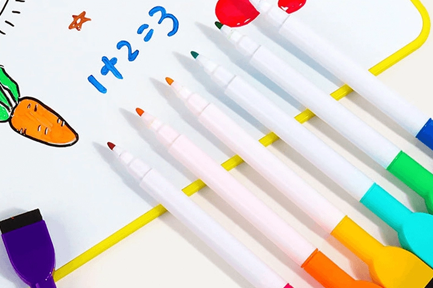
Chalk markers have revolutionized the way we create artistic and practical designs on non-porous surfaces. Their vibrant colors and ease of use have made them a favorite among artists, educators, and business owners alike. This article delves into the comprehensive study of chalk markers, exploring their composition, applications, advantages, and the science behind their popularity. By understanding the nuances of chalk markers, we can appreciate their impact on various industries and everyday life.
The evolution of writing and drawing instruments has always paralleled human innovation. From the primitive charcoal drawings on cave walls to the sophisticated digital pens of today, the quest for better expression tools continues. In this context, chalk markers represent a significant leap, combining the traditional charm of chalk with the modern convenience of markers. Their unique properties have opened new avenues for creativity and functionality.
Understanding the intricacies of chalk markers is essential for professionals and hobbyists who seek to leverage their full potential. This article aims to provide a detailed analysis, supported by research and expert insights, to offer a comprehensive guide on chalk markers.
Chalk markers are a blend of traditional chalk and modern ink technology. Unlike classic chalk sticks, which are composed of calcium carbonate, chalk markers contain a liquid chalk ink suspended in water. This ink is housed in a marker pen, allowing for precise control and smooth application.
The ink in chalk markers is typically made from pigment-based formulations mixed with water and a binding agent. The pigmentation ensures vibrant and opaque colors, while the binding agents help the ink adhere temporarily to surfaces without staining. This unique composition allows for bold expressions that can be easily erased from non-porous surfaces.
Advancements in technology have led to the development of chalk markers with various tip sizes and shapes, catering to different artistic needs. Fine tips allow for detailed work, while broad chisel tips are perfect for bold lettering and shading. The innovation in tip design has expanded the versatility of chalk markers across multiple applications.
In educational settings, chalk markers have become an essential tool for teachers and students. Their dust-free nature makes them a healthier alternative to traditional chalk, reducing the risks associated with chalk dust inhalation. This is particularly beneficial in classrooms with allergy-prone individuals.
Chalk markers enhance the visual aspect of teaching materials. Teachers can create colorful and engaging presentations on whiteboards, glass, and laminated materials. The ability to erase and rewrite without residual staining ensures that learning materials remain clean and clear throughout lessons.
Moreover, the use of chalk markers encourages student participation. Interactive activities, such as collaborative problem-solving on boards or creating group art projects, become more engaging with the use of vibrant and easy-to-use markers. This fosters a dynamic learning environment that can improve educational outcomes.
Businesses have embraced chalk markers as a key component in marketing and customer engagement strategies. The markers are widely used in storefront displays, menu boards, and promotional signage. Their eye-catching colors and the ability to create customized messages allow businesses to attract and retain customer attention effectively.
Restaurants and cafés, in particular, utilize chalk markers to display daily specials and artistic renditions of their offerings. The ease of updating information without the need for new materials saves costs and allows for greater flexibility in marketing strategies.
Retailers also benefit from the versatility of chalk markers. Seasonal promotions, sale announcements, and product highlights can be dynamically presented. The professional appearance of chalk marker signage enhances brand image and can influence purchasing decisions.
Artists and crafters have found chalk markers to be an invaluable addition to their creative toolkit. The markers' ability to write on various surfaces—including glass, metal, ceramics, and plastics—opens up endless possibilities for artistic projects. From window murals to personalized gifts, chalk markers offer a medium that combines ease of use with striking visual effects.
The opacity and vibrancy of chalk marker ink allow for standout designs, even on dark backgrounds. This is particularly useful in creating festive decorations, wedding signage, and home décor items. The temporary nature of the ink also means that designs can be changed seasonally or for different events without permanent alteration of the surfaces.
Furthermore, chalk markers are instrumental in educational art therapy. They provide a non-intimidating medium for individuals to express emotions and ideas creatively. The tactile experience of using markers can be therapeutic and is often employed in various therapeutic settings.
Chalk markers offer several advantages over traditional chalk. Firstly, they eliminate chalk dust, promoting a cleaner and healthier environment. This is particularly important in settings where cleanliness is paramount, such as hospitals or food service areas.
Secondly, the color intensity of chalk markers is superior. The liquid ink provides consistent flow and saturation, resulting in vivid and attention-grabbing visuals. Traditional chalk often appears muted and can be difficult to see from a distance.
Additionally, chalk markers offer greater precision. The marker format allows for controlled strokes, which is beneficial for detailed work and legible handwriting. This contrasts with the less predictable nature of chalk sticks, which can crumble or produce inconsistent lines.
Chalk markers are designed for non-porous surfaces. These include glass, whiteboards, blackboards, metal, ceramics, and certain plastics. The non-porous nature of these surfaces prevents the ink from being absorbed, allowing for easy removal with a damp cloth.
When used on porous surfaces, however, the ink may absorb and become difficult to erase. It is essential to test the marker on a small, inconspicuous area before full application. This ensures that the surface is suitable and prevents unintended staining.
Proper care of both the markers and the surfaces extends their lifespan. Storing markers horizontally can prevent ink pooling, and capping them tightly preserves the ink's moisture. Regular cleaning of surfaces prevents build-up and maintains optimal erasability.
The environmental impact of art and writing materials is an increasing concern. Chalk markers, being water-based, are generally non-toxic and environmentally friendly. They lack the volatile organic compounds (VOCs) found in some solvent-based markers, reducing their ecological footprint.
Manufacturers are also exploring recyclable packaging and refillable marker options. These innovations aim to minimize waste and promote sustainability. By choosing eco-friendly products, consumers contribute to environmental conservation efforts.
As awareness grows, the demand for sustainable art supplies is likely to influence further advancements in chalk marker technology. This aligns with global initiatives to reduce environmental impact across all industries.
The market for chalk markers is expanding. According to industry reports, there is a steady growth in the adoption of these markers in both educational and commercial sectors. This growth is attributed to the markers' versatility and the increasing popularity of DIY projects.
Future developments may include enhanced ink formulations for greater durability and color range. Technological advancements could lead to markers that are compatible with a wider variety of surfaces, including those that are currently challenging for liquid chalk applications.
Integration with digital technologies is another potential avenue. Smart chalk markers that can digitize handwriting or integrate with presentation software could revolutionize how we interact with traditional writing tools.
Educators like Dr. Emily Stevens, a professor of art education, advocate for the use of chalk markers in classrooms. "Chalk markers engage students visually and kinesthetically," she notes. "They allow for dynamic teaching methods that traditional tools cannot match."
Business owners also praise chalk markers for their impact on sales. Michael Chang, a café owner, states, "Since switching to chalk marker menus, we've seen an increase in customer engagement. People often comment on our colorful displays, and it sets us apart from competitors."
Artists appreciate the creative freedom that chalk markers provide. Contemporary muralist Sarah Lopez mentions, "Chalk markers have become a staple in my work. They offer the control of a pen with the expressiveness of paint, allowing me to bring my visions to life on various surfaces."
Despite their many advantages, chalk markers come with certain limitations. The need for non-porous surfaces can restrict their use in some contexts. When applied incorrectly, the ink might leave ghosting effects on surfaces, requiring special cleaners to remove.
There is also a learning curve associated with achieving desired effects. Users may need to practice techniques such as layering and shading to fully exploit the markers' capabilities. Additionally, exposure to prolonged sunlight can cause the colors to fade, which is a consideration for long-term displays.
Understanding these challenges is crucial for maximizing the benefits of chalk markers. Manufacturers often provide guidelines and tips to assist users in overcoming these limitations effectively.
For optimal results, it is recommended to shake the chalk marker well before use to mix the pigment thoroughly. Prime the marker by pressing the tip down on paper until the ink flows. This ensures consistent ink delivery during application.
When creating layered artworks, allow the first layer to dry before applying additional layers to prevent smudging. Using stencils can aid in achieving precise shapes and lettering, especially for beginners.
To erase, a damp cloth is usually sufficient. For stubborn marks, especially on surfaces that have absorbed some ink, a solution of vinegar and water or specialized cleaning products may be used. Regular maintenance of both the markers and surfaces extends their usability.
Chalk markers represent a fusion of tradition and innovation, offering versatile solutions across education, business, and art. Their vibrant colors, ease of use, and adaptability to various surfaces make them an indispensable tool in modern communication and creativity.
By understanding the properties and applications of chalk markers, individuals and organizations can harness their full potential. Whether enhancing a classroom experience, boosting business engagement, or exploring artistic endeavors, chalk markers provide a medium that is both practical and inspiring.
The continued development and adoption of chalk markers signal a broader trend towards tools that enhance human expression while aligning with environmental and technological advancements. Embracing these tools opens up new possibilities for innovation and connection in various fields.