Views: 210 Author: Site Editor Publish Time: 2025-12-17 Origin: Site
The global mass market for writing instruments faces a saturation crisis. Retail shelves are flooded with identical, injection-molded barrels that force brands into a destructive "race to the bottom" on price. In this crowded landscape, Ergonomic Pen Design is no longer just a luxury add-on for high-end boutiques. It has evolved into a critical compliance requirement and a primary driver of brand loyalty. Modern consumers are increasingly aware of hand health, driving a shift away from tools that cause fatigue.
The rise of Repetitive Strain Injury (RSI) and the notorious "Death Grip" phenomenon highlights the urgent need for better tools. Poor flow and improper barrel shapes force users to overcompensate with muscle tension, leading to long-term discomfort. This article serves as a comprehensive guide for sourcing managers and product developers. You will learn how to technically and commercially validate ergonomic Markers and pens to secure a competitive edge.
Market Growth: The ergonomic writing instrument market is projected to grow (CAGR ~8%), signaling a shift from niche medical needs to mainstream consumer expectation.
Systemic Design: True ergonomics involves more than a rubber grip; it requires analyzing center of gravity, ink viscosity, and barrel geometry.
Sourcing Reality: High-quality sourcing art markers requires validating manufacturer capabilities in anthropometric data usage and material safety (TPE vs. cheap rubber).
ROI Drivers: Higher upfront molding costs for ergonomic designs are offset by premium pricing power, lower return rates, and increased user retention.
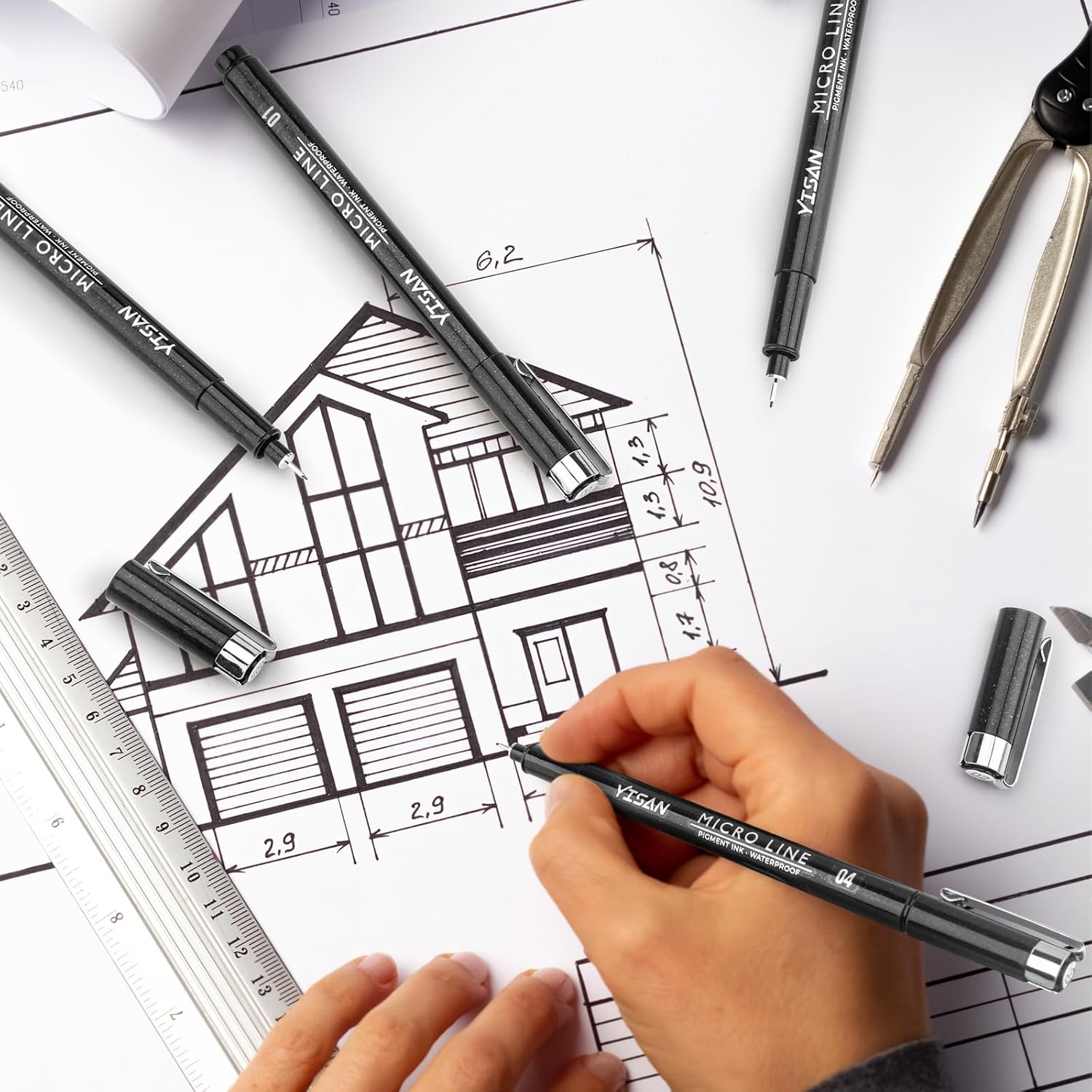
The assumption that ergonomics only matters for orthopedic products is outdated. A significant shift in user demographics requires a new approach to product development. We see professionals like architects and engineers demanding tools that sustain precision over hours of work. Students facing long exams need writing instruments that reduce fatigue. Artists require Ergonomic Pen Design that acts as a seamless extension of their hand.
Data from the office supply sector reveals a growing demand for "preventative" health products. Consumers are proactively choosing tools that protect their joints before injury occurs. This trend transforms the humble pen from a commodity into a wellness tool.
Design dictates trust. When a user experiences hand cramps or fatigue, they rarely blame their own anatomy. They blame the brand. This negative feedback loop degrades brand equity silently over time. Ergonomics serves as a powerful risk mitigation strategy. It protects your brand against the slow erosion of user satisfaction. By prioritizing hand health, you build a "Trust Dynamic" where the user feels supported by the product. This emotional connection fosters deep loyalty that price discounts cannot buy.
Mass-market brands often struggle to compete with heritage luxury names. Ergonomics offers a leveling field. You can integrate "soft-touch" materials and sculpted forms to mimic the feel of expensive instruments. This "premiumization" allows mid-tier products to command higher price points. A standard plastic barrel feels disposable. A sculpted, weighted barrel feels permanent and valuable. This perception shift is crucial for lifting margins in high-volume categories.
Creating a truly ergonomic marker requires a deep dive into physical architecture. It is not enough to simply slap a rubber sleeve on a round tube. You must engineer the geometry to support the hand's natural biomechanics.
The debate between triangular and cylindrical barrels is settled by physics. Triangular barrels naturally guide the fingers into the "Tripod Grip." This position distributes pressure evenly across three points of contact. It reduces the grip force required to stabilize the tool compared to round barrels. Round barrels often force the user to squeeze harder to prevent rotation.
Diameter also plays a pivotal role. There is a "sweet spot" for diameter size. For markers, which are often thicker than ballpoints, a diameter between 10mm and 12mm is generally optimal. This range prevents excessive finger flexion. If the barrel is too thin, the user pinches tightly. If it is too thick, the hand cannot relax. Finding this balance is essential for prolonged use.
Material selection defines the immediate tactile experience. TPE (Thermoplastic Elastomer) overmolds are the industry standard for high-quality grips. However, the Shore Hardness of the TPE matters immensely.
Too Soft (Shore A < 40): The grip feels unstable and "squishy," causing the user to squeeze harder for control.
Too Hard (Shore A > 70): The grip becomes slippery, especially when hands are sweaty.
Optimal Range (Shore A 50-60): Provides security without sacrificing stability.
Friction coefficients are equally critical. This is particularly true for specialized paint makers and their products. Paint markers often require vigorous shaking to mix the solvent and pigment. If the texture is too smooth, the marker can slip from the hand. A textured surface ensures a secure hold during the activation process.
Weight distribution is often overlooked in favor of external shape. A common failure in cheap manufacturing is a rear-heavy design. If the balance point is closer to the cap than the nib, the marker acts as a lever pulling away from the paper. The user fights this leverage by pressing down harder. The critical rule is simple: the center of gravity must sit forward, near the grip section. This allows the marker to rest naturally in the web of the hand. It creates a "substantial feel" that lightweight plastics lack. Users associate this weight with quality and control.
Ergonomics is not just about how a pen holds; it is about how it writes. There is a direct biological feedback loop between ink flow and muscle tension. If the ink does not flow freely, the user instinctively applies more downward pressure. This triggers the "Death Grip." Muscles in the forearm tense up, leading to rapid fatigue and cramping. Even the most perfectly shaped grip cannot save a marker with poor ink flow.
Different marker types present unique ergonomic challenges. Paint markers typically utilize a valve action mechanism. The user must pump the nib to start the flow. This pumping action places stress on the joints if the mechanism is too stiff. High-quality manufacturing ensures the valve activates with minimal force.
When Sourcing Art Markers, you must match the nib friction to the ink viscosity. A nylon nib on rough paper creates high drag. If the ink is too viscous, the drag increases further. A "scratchy" marker forces the artist to drag the tool rather than glide it. This friction transfers vibration and stress directly to the wrist. A smooth, gliding experience is a non-negotiable component of ergonomic performance.
Quality assurance must go beyond visual inspection. We recommend implementing "gliding tests" during the production phase. A high-performance marker should write under its own weight. Place the marker in a mechanical arm that applies zero vertical force. If the line breaks or skips, the ergonomics are compromised. This test simulates the lightest possible touch, ensuring the user never has to force the ink onto the page.
Finding the right manufacturing partner is the difference between a gimmick and a genuine product. You need suppliers who understand the science of human factors, not just plastic molding.
When you are looking for partners, specific questions reveal their capability depth. Do they use anthropometric databases to determine barrel sizing? A manufacturer guessing at dimensions will produce a tool that fits no one. Do they offer dual-mold capabilities? High-end ergonomics often require a hard skeletal shell for structure and a soft TPE overmold for comfort. Single-shot molds cannot achieve this sophisticated balance.
Chemical compatibility is a major hurdle in ergonomic production. Soft-grip materials like rubber and silicone can degrade rapidly when exposed to volatile solvents. This is a critical issue for paint makers producing solvent-based markers. If the solvent vapors attack the grip, it can become sticky, brittle, or dissolve entirely.
You must ensure compliance with safety standards like REACH and Prop 65. Materials that stay in prolonged contact with skin must be non-toxic and hypoallergenic. A grip that causes contact dermatitis will destroy a product line faster than any design flaw.
The financial trade-off is clear. Standard molds are cheap, fast, and offer zero differentiation. Custom ergonomic molds require a higher Total Cost of Ownership (TCO) upfront. However, this investment builds a proprietary moat. Competitors cannot easily copy a complex, dual-injection ergonomic shape. This intellectual property becomes a defensible asset. The table below outlines the strategic differences.
| Feature | Standard Commodity Mold | Custom Ergonomic Mold |
|---|---|---|
| Upfront Cost | Low (Off-the-shelf) | High (Design + Tooling) |
| Differentiation | None (generic shape) | High (Unique brand language) |
| User Retention | Low (Price driven) | High (Comfort driven) |
| Pricing Power | Commodity pricing | Premium / Mid-tier pricing |
Justifying the cost of ergonomic design requires looking at the total value equation. The retail price ceiling for a "standard stick pen" is incredibly low. Consumers expect them to be nearly free. An "ergonomic comfort pen," however, occupies a different mental category. It competes with tools, not disposables. This allows for significantly healthier profit margins.
Analyze your customer complaint data. You will likely find that "skipping ink" and "hand cramps" are leading causes of returns and brand switching. An ergonomic product addresses the root cause of these complaints. By reducing the physical strain on the user, you reduce the dissatisfaction that leads to negative reviews. Lower return rates directly improve the bottom line.
Ergonomic learnings are scalable. The research you invest in for a premium line of markers can trickle down to your mass-market ballpoints. Improving the balance or grip texture of your entry-level products lifts the perceived value of your entire portfolio. It signals to the market that your brand cares about the user experience at every price point.
Ergonomics in pen production has graduated from a "nice-to-have" feature to a functional requirement for market relevance. As users become more health-conscious and demanding, the tools they use daily must evolve. Sourcing managers can no longer rely solely on visual aesthetics. You must audit the physics of your writing instruments—analyzing flow, balance, and grip friction with scientific rigor.
The future outlook promises even higher expectations. As digital styluses and analog markers converge, users accustomed to the premium weight of digital tools will demand the same feel from their ink markers. By investing in ergonomic design today, you future-proof your product lines and build a brand that stands for performance and care.
A: Ink viscosity directly dictates the pressure required to write. High viscosity ink resists flow, forcing the user to press down harder on the paper. This increased downward pressure disrupts the neutral hand position and accelerates muscle fatigue. Low viscosity inks allow the user to maintain a relaxed "tripod grip," significantly reducing the risk of RSI and cramping during long writing sessions.
A: While the perfect size depends on the specific user group (adults vs. children), the general ergonomic sweet spot for markers is between 10mm and 12mm. This diameter is sufficient to keep the hand in an open, neutral position without requiring a tight pinch. Paint markers may need to be slightly thicker to accommodate the internal valve mechanisms and mixing agitators.
A: Triangular barrels mimic the natural shape of the hand's "tripod grip" formed by the thumb, index, and middle fingers. This geometry provides three flat planes for the fingers to rest on, increasing the contact area. This increased friction and support reduce the muscular effort needed to prevent the pen from rotating or slipping, offering superior control with less fatigue.
A: Cheap soft-grip materials often utilize low-grade rubber or plastics that degrade quickly. Over time, they can become sticky, brittle, or peel off. Furthermore, inexpensive sources may use plasticizers containing phthalates that are non-compliant with strict EU and US safety standards (like REACH or Prop 65). This poses a significant chemical safety risk for products in prolonged contact with skin.
A: Yes. Significant ergonomic improvements can be achieved without expensive over-molding. By optimizing the weight distribution to move the center of gravity near the nib and ensuring smooth ink flow, a manufacturer can drastically improve comfort. Even simple changes to the barrel geometry, such as adding subtle flats or texture to the mold, can enhance the grip without increasing material costs.