Views: 0 Author: Site Editor Publish Time: 2025-07-28 Origin: Site
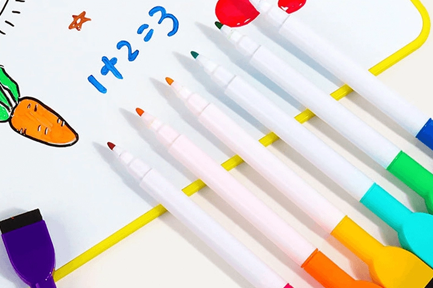
The Dry Erase Marker has become an indispensable tool in classrooms, boardrooms, and homes worldwide. These markers offer a convenient and efficient way to present ideas, convey information, and foster creativity on non-porous surfaces like whiteboards and glass. This article delves into the multifaceted uses of dry erase markers, exploring their history, composition, applications, and the science that makes them uniquely erasable.
Understanding the journey of the dry erase marker involves looking back at its origins and technological advancements. Originally developed as a cleaner alternative to chalk, dry erase markers have transformed the way we communicate in collaborative environments.
Before the advent of dry erase technology, chalkboards were ubiquitous in educational settings. However, chalk dust posed health concerns and maintenance issues. The introduction of whiteboards in the mid-20th century provided a dust-free alternative, paving the way for the development of the dry erase marker.
The dry erase marker was invented in the 1970s, utilizing a special ink formulation that could be easily wiped off non-porous surfaces. Over the years, innovations have led to markers with reduced odor, a variety of colors, and eco-friendly components.
To appreciate the functionality of dry erase markers, it's essential to examine their composition and the chemistry that enables their erasability.
Dry erase markers consist of a few key components: color pigments, a solvent, and a polymer or release agent. The pigments provide the color, while the solvent (often alcohol-based) keeps the ink in liquid form until it contacts a surface. The critical element is the silicone polymer, which prevents the pigment from adhering permanently to the surface, allowing for easy erasure.
Dry erase markers are designed specifically for non-porous surfaces such as whiteboards and glass. The slick nature of these surfaces prevents the ink from being absorbed, which is why the markings can be wiped away effortlessly. On porous surfaces, the ink can seep in, leading to stains that are difficult to remove.
The versatility of dry erase markers extends across various fields, from education to business and beyond. Let's explore how these markers are utilized in different settings.
In classrooms, dry erase markers have revolutionized teaching methodologies. Educators use them to illustrate concepts dynamically, engage students in interactive lessons, and facilitate group activities. The ease of correcting mistakes encourages a collaborative learning atmosphere.
Businesses rely on dry erase markers during meetings, brainstorming sessions, and presentations. They enable professionals to visualize ideas, strategize plans, and communicate effectively with team members. The ability to quickly modify content ensures flexibility during discussions.
Artists and designers utilize dry erase markers for sketching and planning on whiteboards or glass surfaces. This temporary medium allows for rapid iteration of ideas without the permanence of traditional inks or paints.
At home, dry erase markers aid in organizing schedules, creating to-do lists, and leaving messages on refrigerator boards or mirrors. They offer a convenient way to manage daily tasks and foster communication among family members.
A variety of dry erase markers cater to different needs and preferences. Understanding these options helps users select the most suitable marker for their specific applications.
Markers come with various tip designs, including chisel, bullet, and fine points. Chisel tips offer versatility, allowing both broad and fine lines. Bullet tips provide consistent line width, ideal for bold writing. Fine point markers are perfect for detailed work and writing in small spaces.
While black, blue, red, and green are standard colors, dry erase markers are available in a spectrum of hues. Vivid colors enhance visual communication, especially in educational and creative settings, helping to categorize information and emphasize key points.
For users sensitive to strong smells, low-odor markers utilize alternative solvents that reduce odor without compromising performance. Additionally, some markers are made with recycled materials or refillable designs to minimize environmental impact.
Choosing the right dry erase marker involves considering several factors to ensure optimal performance and user satisfaction.
The material and shape of the marker tip affect writing precision and durability. Nylon and polyester tips offer longevity and consistent ink flow. Selecting the appropriate tip shape depends on the desired line thickness and writing style.
High-quality ink ensures vibrant colors and smooth application. Markers with quick-drying ink prevent smudging and allow for immediate handling of the board. It's important to choose markers with non-toxic, safe inks, especially in environments with children.
Markers that erase cleanly without leaving residue or ghosting prolong the lifespan of whiteboards. Premium markers use ink formulations that minimize staining, ensuring that the board remains in pristine condition after repeated use.
Maximizing the life and performance of dry erase markers involves proper handling and storage practices.
Storing markers horizontally with caps securely fastened prevents ink from drying out and maintains even ink distribution. Exposure to extreme temperatures should be avoided, as it can affect ink viscosity and performance.
If a marker becomes dry, placing it tip-down for several hours can help the ink flow back to the tip. For a quick fix, gently moistening the tip with a damp cloth may restore functionality temporarily.
Regular cleaning of the whiteboard surface prevents ink buildup and ghosting. Using appropriate cleaning solutions designed for whiteboards ensures that the surface remains smooth and receptive to new markings.
While dry erase markers are versatile, other markers and writing instruments serve specific purposes and may be more suitable in certain contexts.
Wet erase markers use water-soluble ink that requires a damp cloth for removal. They are ideal for creating semi-permanent markings on non-porous surfaces, preventing accidental erasure in high-traffic areas.
Permanent markers contain ink that adheres to a wide range of surfaces, both porous and non-porous. They are suited for labeling and writing that needs to withstand handling and environmental factors.
Chalk markers offer the rustic appeal of chalk with the convenience of a marker. They are perfect for creating vibrant designs on chalkboards, glass, and LED boards, and can be erased with a wet cloth.
Innovation continues to drive the development of dry erase markers, focusing on sustainability, enhanced functionality, and user experience.
Manufacturers are exploring recyclable materials and non-toxic inks to reduce environmental impact. Refillable markers and products made from recycled plastics are becoming more prevalent.
The integration of digital technology with traditional whiteboarding is on the rise. Smart markers and interactive whiteboards allow for the digitization of handwritten notes, bridging the gap between analog and digital mediums.
The Dry Erase Marker remains a vital tool in facilitating communication and creativity across various domains. Its ease of use, versatility, and continual evolution ensure that it will remain relevant in an ever-changing world. By understanding its uses, selecting the appropriate type, and maintaining both the markers and writing surfaces, users can maximize the benefits these indispensable instruments offer.
Yes, dry erase markers can be used on any non-porous surfaces such as glass, mirrors, metals, and certain plastics. The key is that the surface should not absorb the ink, allowing for easy erasure.
Dry erase markers use an ink that can be wiped off easily with a dry cloth, while wet erase markers require a damp cloth for removal. Wet erase markers are ideal for creating semi-permanent markings that won't be erased through casual contact.
If staining occurs, you can use a whiteboard cleaner or rubbing alcohol to remove the marks. Regular maintenance and using high-quality markers can prevent stains and ghosting.
Most dry erase markers are non-toxic and safe for children. However, it's important to check the product specifications and supervise young children to prevent ingestion or misuse.
Proper storage is key. Keep the markers capped tightly when not in use, store them horizontally, and avoid exposing them to extreme temperatures. This helps maintain ink quality and prevents drying out.
Eco-friendly markers are made with recyclable or recycled materials and may feature refillable ink cartridges. Choosing markers with non-toxic inks also reduces environmental impact.
Dry erase markers are not recommended for traditional chalkboards as the porous surface can absorb the ink, leading to permanent stains. For chalkboards, it's best to use chalk or chalk markers designed for that purpose.